
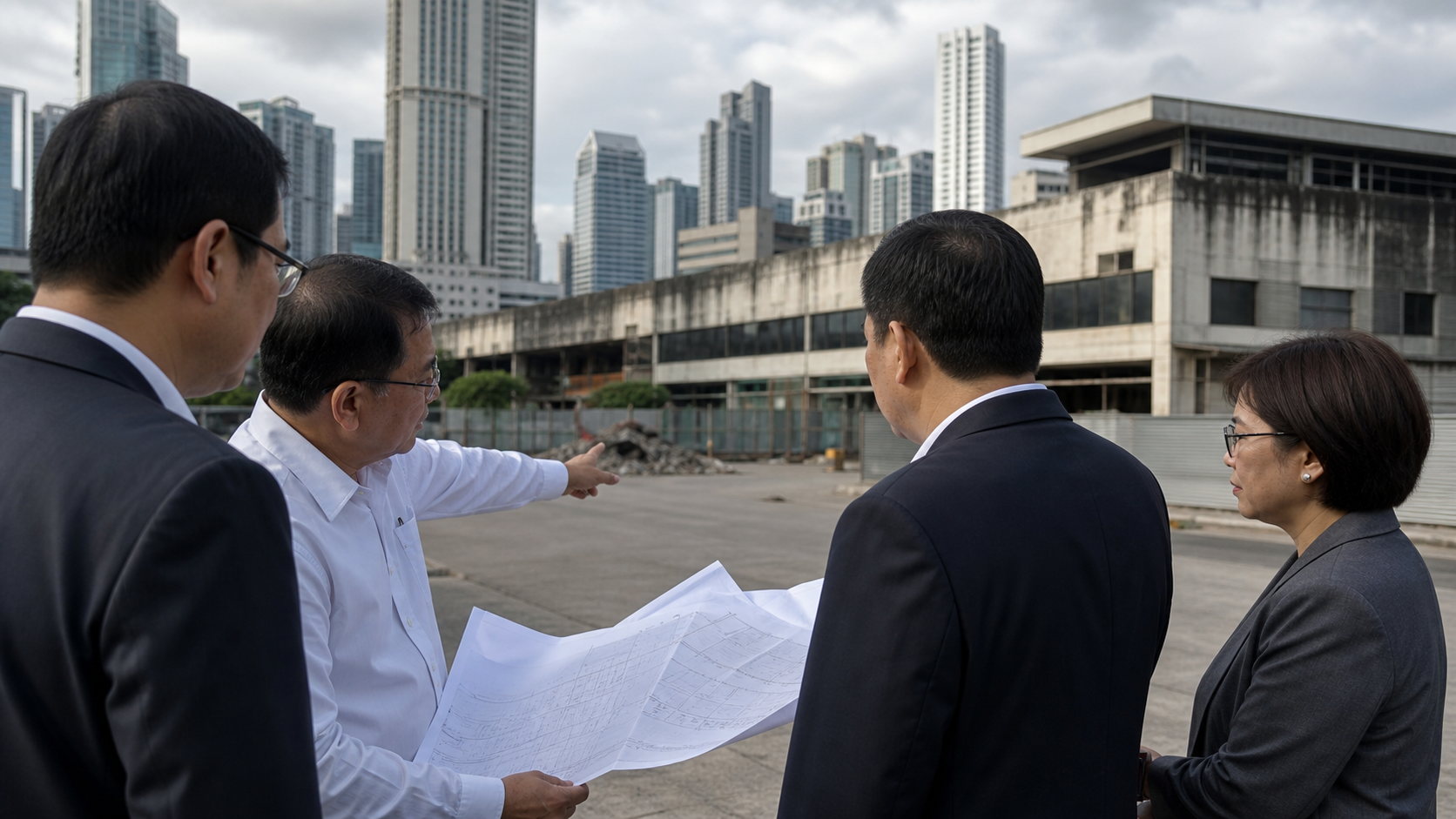
The Philippines Department of Finance said it completed the sale of a Makati property for PHP1 billion, adding revenue for national development programmes.
Why it matters
For business readers, the item is less about a single property and more about how government asset sales can affect fiscal space, urban land use and investor expectations around public balance-sheet management.
The commercial consequence depends on how proceeds are allocated and whether further asset disposals create opportunities for property developers, infrastructure investors or public-private projects.
Reader context: the article is written for business, investment, technology and policy teams that need to understand whether a single announcement changes market access, operating capability, procurement needs or competitive positioning in Southeast Asia. SEA Connect separates that regional interpretation from the facts attributed to the linked publisher, so readers can judge the business relevance without treating the announcement as a finished outcome.
For regional operators, the practical test is follow-through: budgets, named partners, adoption data, customer behaviour, procurement notices, implementation milestones and cross-border replication. Those signals turn an announcement into a clearer view of execution quality and market consequence.
How to read the source
The department’s release establishes the stated sale and revenue amount. Spending allocation and any broader disposal programme require separate follow-up records.
What to watch
Follow-up evidence should include buyer details where disclosed, subsequent budget allocation, additional asset-sale plans and any development activity tied to the Makati site.
Source note
Source: Philippines Department of Finance property-sale announcement. SEA Connect names the publisher directly and keeps interpretation separate from the facts stated in the linked source.