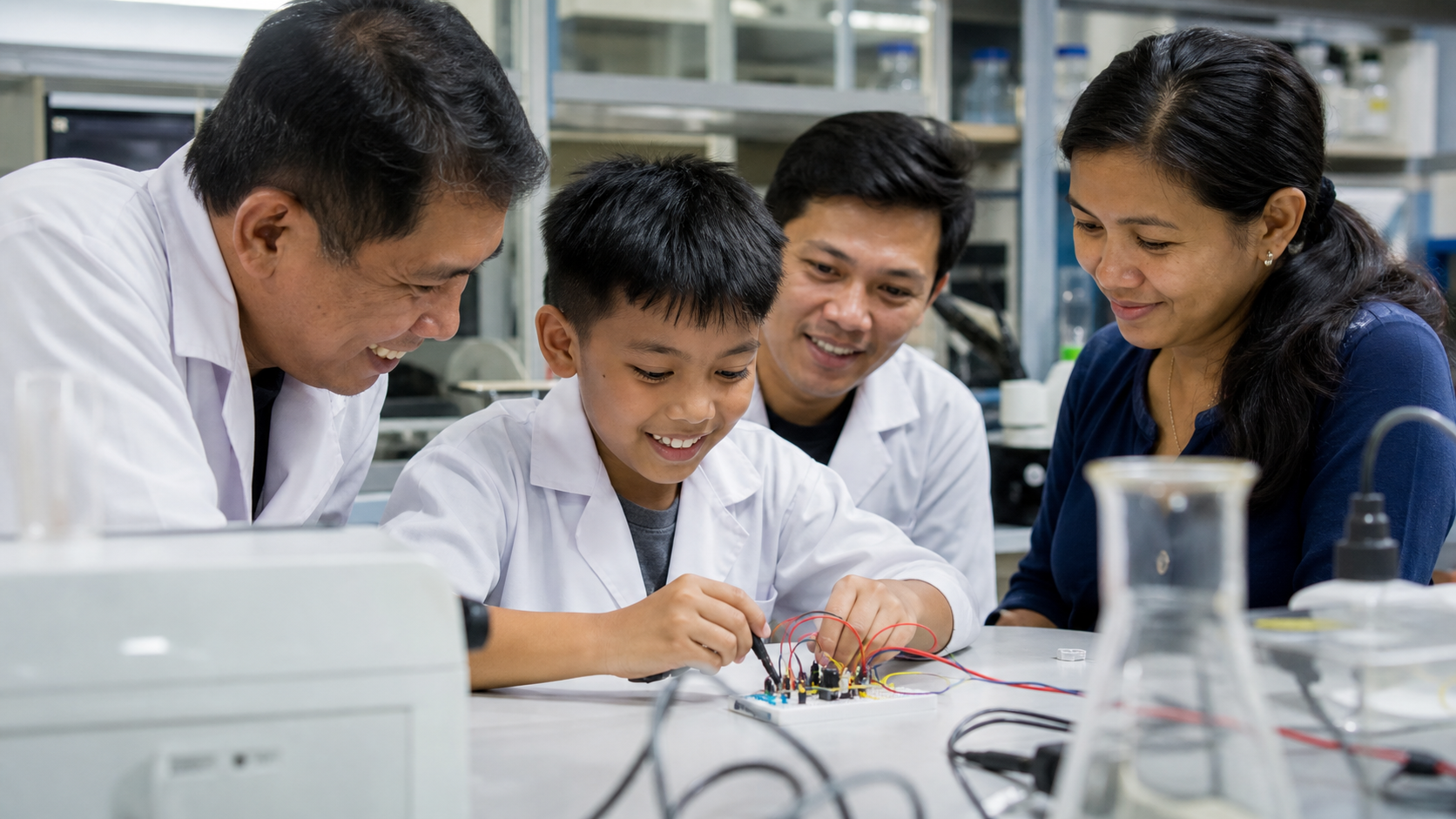
The Philippines Department of Science and Technology highlighted support for a young Batangas student who wants to become an inventor.
Why it matters
For the innovation economy, the story is an early-talent signal. Programmes that expose children to science and invention can broaden the future pool of engineers, researchers and founders.
The commercial effect is indirect but relevant: deeper science talent pipelines can support future research commercialisation, technical hiring and local product development.
Reader context: the article is written for business, investment, technology and policy teams that need to understand whether a single announcement changes market access, operating capability, procurement needs or competitive positioning in Southeast Asia. SEA Connect separates that regional interpretation from the facts attributed to the linked publisher, so readers can judge the business relevance without treating the announcement as a finished outcome.
For regional operators, the practical test is follow-through: budgets, named partners, adoption data, customer behaviour, procurement notices, implementation milestones and cross-border replication. Those signals turn an announcement into a clearer view of execution quality and market consequence.
How to read the source
The DOST article establishes the individual outreach story. Programme scale and near-term startup creation require separate education and enterprise records.
What to watch
Useful follow-up evidence would include recurring youth-invention programmes, mentorship pathways, school participation and later support for prototypes that solve local problems.
Source note
Source: Philippines Department of Science and Technology youth-inventor story. SEA Connect names the publisher directly and keeps interpretation separate from the facts stated in the linked source.