
Vietnam is moving Resolution No. 57-NQ/TW—its national policy for breakthroughs in science, technology, innovation and digital transformation—from planning to measurable delivery. More than 18 months after the Politburo issued the resolution, central and local authorities are being asked to define concrete outputs, intended users, accountable owners and evaluation criteria for each initiative.
From activity to measurable outcomes
The shift follows a meeting of the Central Steering Committee for Science, Technology, Innovation and Digital Transformation chaired by Party General Secretary and State President To Lam. The committee said a task should count as complete only when its results are in use and producing measurable impact, rather than when an action plan, meeting or administrative process has been completed. Vietnam Ministry of Science and Technology
That standard matters for companies and investors because Resolution 57 covers the infrastructure and capabilities intended to shape Vietnam’s next phase of growth. The programme spans research commercialisation, strategic technologies, digital government, advanced skills and cooperation among the state, universities, research institutes and businesses.
The policy direction gives businesses a larger role in the innovation process. Companies are expected to help identify problems, co-invest in research, test solutions and bring viable technologies to market. Government bodies, meanwhile, are expected to remove institutional barriers, share early-stage risk and help create initial markets for technologies with practical applications.
Local technology programmes take shape
Local programmes show how that direction is beginning to take shape. Gia Lai has identified quantum technology and semiconductors as priorities, launched the “Road to Vietnam Quantum” programme and designated 2026 as Gia Lai Quantum Year. In Lam Dong, authorities are developing a co-creation model in which businesses help set research priorities and commercialise results from universities and research institutes.
Vietnam is also strengthening governance for atomic-energy applications and its nuclear-power programme. A national regulatory conference in Quang Ninh called for updated legal frameworks, stronger regulatory capacity, specialist workforce development and closer coordination with international partners, including alignment with International Atomic Energy Agency standards.
What businesses should watch next
For regional operators, the important signal is not the resolution’s name but its implementation test: public investment and research programmes are increasingly expected to produce technologies, products and measurable economic or social value. The next evidence to watch is whether the named provincial programmes attract business participation, reach commercial deployment and publish comparable results.
Source note
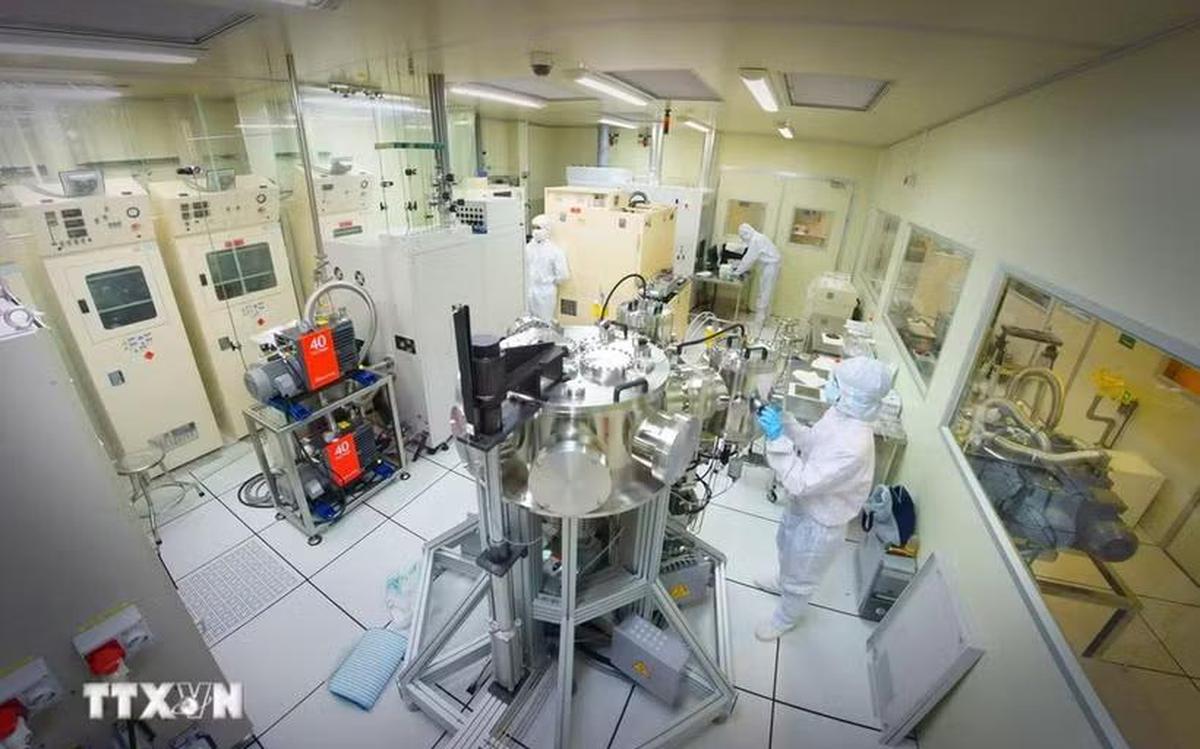
Source: Reporting on the English-language portal of Vietnam’s Ministry of Science and Technology, credited to VietnamPlus and published 5 August 2026. The accompanying laboratory photograph is credited by the source to Vietnam News Agency.