
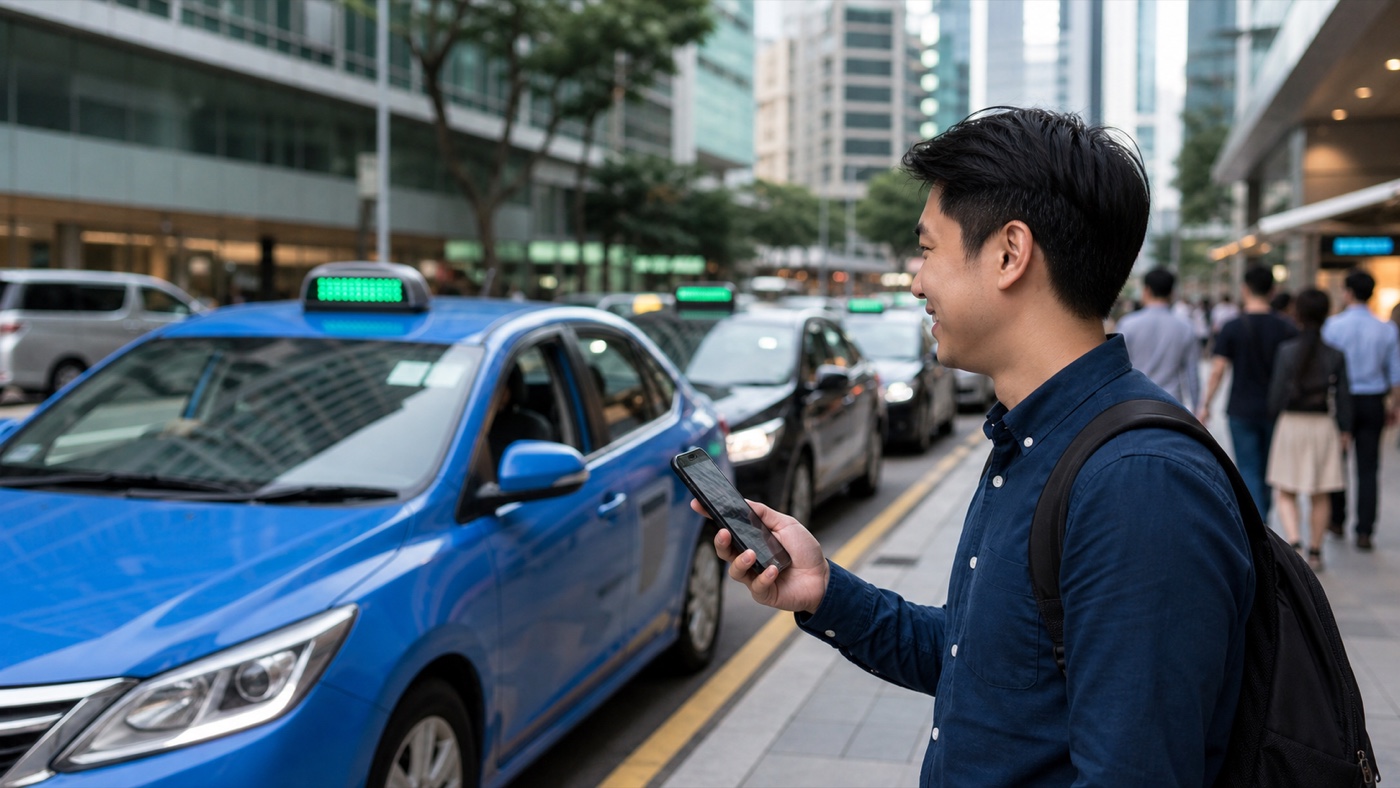
Gojek Singapore and ComfortDelGro’s Zig have expanded their partnership so a GoTaxi request made in the Gojek app can be matched with a metered taxi on Zig’s network.
The connection widens the pool of vehicles available to Gojek users and gives Zig drivers access to additional booking demand. It builds on an existing arrangement under which selected GoCar requests can already be fulfilled by Zig taxis. Zig by ComfortDelGro
Passengers continue to book through Gojek. Meter-based taxi pricing and applicable platform or payment fees remain part of the transaction, while the matching process can reach vehicles across the connected network.
The move illustrates a practical form of platform interoperability. Rather than forcing every operator to build a closed fleet, two services can share supply while retaining their separate customer interfaces and commercial relationships.
For commuters, the promised benefit is a shorter wait and a better chance of securing a metered ride. For drivers, the value is higher booking density. Those benefits should be tested through acceptance rates, pickup times and completed-trip volumes after the integration.
The arrangement does not eliminate pricing differences or guarantee availability at peak periods. Its wider significance is that incumbent taxi fleets and app-based platforms are continuing to converge around shared dispatch infrastructure.
Singapore is a useful test market because taxis and private-hire vehicles operate under a detailed regulatory framework and commuters already use several competing apps. Network connections can improve utilisation without requiring a new operator to duplicate the physical fleet.
Interoperability can also reduce idle time. A driver who sees demand from more than one channel has a better chance of finding a nearby passenger, while an app with broader supply can reduce failed searches. The gain depends on how fairly jobs are distributed and whether drivers retain meaningful choice.
Customer experience will be shaped by details after the match: the fare shown, cancellation rules, service recovery and responsibility when something goes wrong. A shared dispatch layer should not make those obligations harder for a passenger to understand.
If the partnership produces sustained reductions in pickup time without worsening cancellations or driver economics, it could support more integrations between Southeast Asia’s established transport operators and digital platforms.
The integration also highlights the continuing role of metered taxis. App-based private hire has expanded consumer choice, but taxi fleets still provide regulated street-hail capacity and specialised availability. Linking those fleets to more digital demand can make existing vehicles more productive.
Data handling should remain visible. Matching across platforms requires information to move between systems, and customers should be able to understand which operator is fulfilling the trip and which service handles support. Clear consent and accountability will matter as these partnerships deepen.
What we checked
The integration was checked against the official Gojek and Zig announcements and corroborated by credible media reporting.