
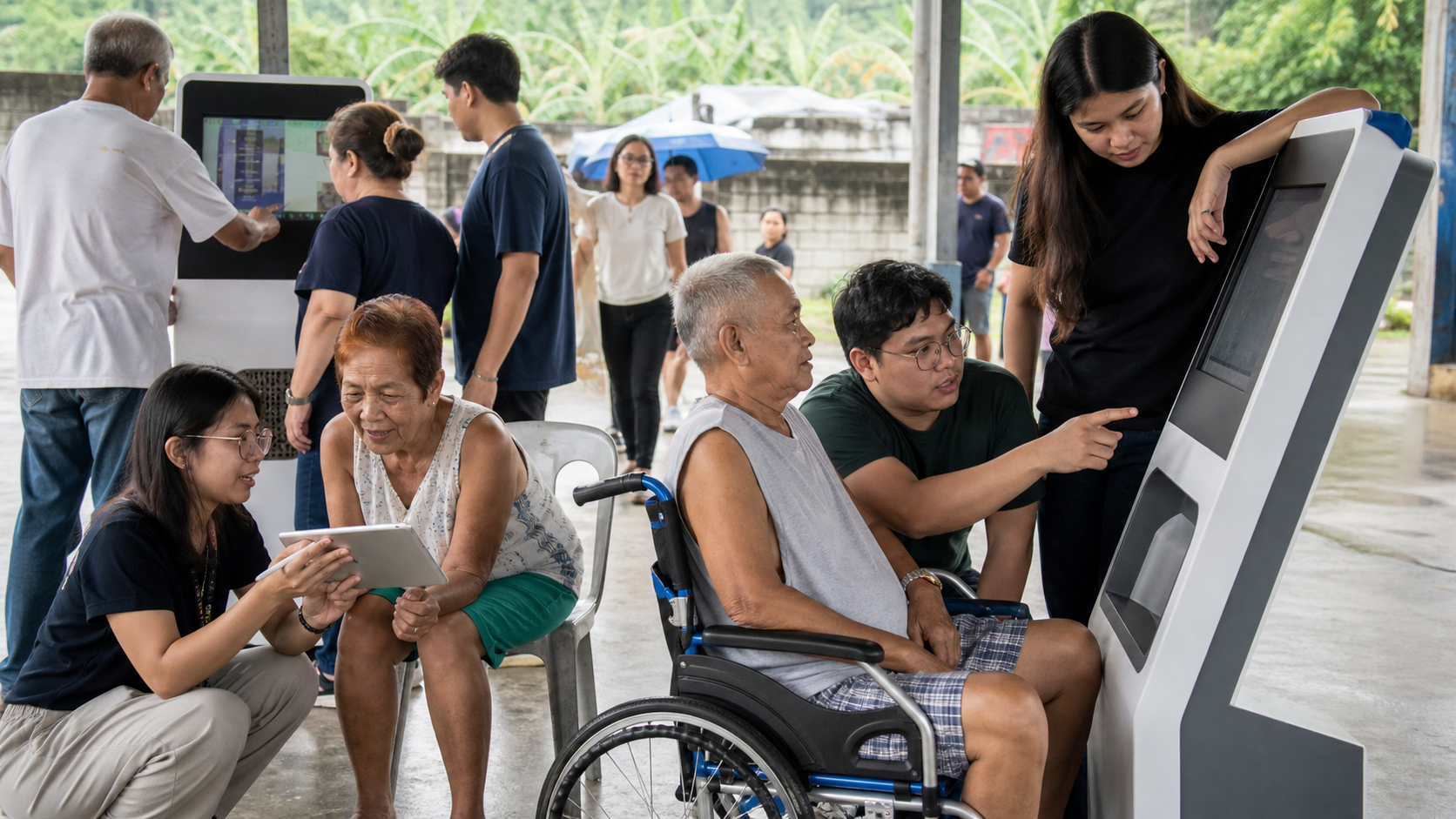
The Philippines Department of Science and Technology reported expert views that human-centred design should guide technology for smart communities.
Why it matters
The point is commercially relevant because smart-city projects can fail when they prioritise devices and dashboards over resident needs, maintenance capacity and service outcomes.
For vendors and city partners, a human-centred approach shifts the sales case toward measurable service improvement, usability and long-term operating support.
Reader context: the article is written for business, investment, technology and policy teams that need to understand whether a single announcement changes market access, operating capability, procurement needs or competitive positioning in Southeast Asia. SEA Connect separates that regional interpretation from the facts attributed to the linked publisher, so readers can judge the business relevance without treating the announcement as a finished outcome.
For regional operators, the practical test is follow-through: budgets, named partners, adoption data, customer behaviour, procurement notices, implementation milestones and cross-border replication. Those signals turn an announcement into a clearer view of execution quality and market consequence.
How to read the source
The DOST article establishes the expert framing. Procurement decisions, deployment scale and vendor performance require separate city or buyer records.
What to watch
Next evidence should include city pilots, resident feedback, service metrics and contracts that tie smart-community tools to clear local outcomes.
Source note
Source: Philippines Department of Science and Technology smart-community report. SEA Connect names the publisher directly and keeps interpretation separate from the facts stated in the linked source.