Skyro says it recorded its first positive half-year operating profit in early 2026. The company defines this as profit before currency effects and tax. It says the figures come from unaudited management accounts. This is not the same as audited net profit. The announcement does not include full financial statements that an outside reader could reconcile.
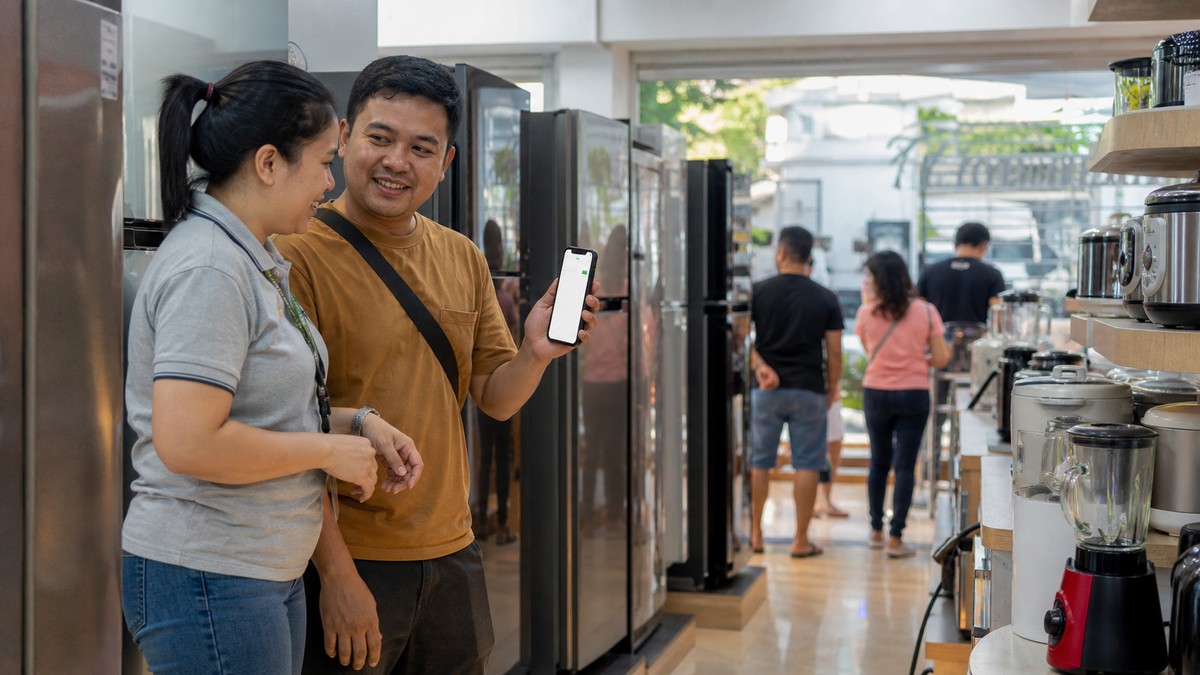
The lender says it issued almost US$180 million in loans during the half. That was 1.9 times the amount reported a year earlier. It also reports more than seven million app users and two million product-loan transactions since launch. Skyro says it works with more than 3,000 merchants at about 10,000 retail locations. These figures show stated reach, not credit quality or customer outcomes. Media OutReach Newswire
The Bangko Sentral ng Pilipinas has published separate research on consumer finance and financial inclusion. That official survey describes the wider market, not Skyro’s accounts. It should not be used to confirm the company’s profit or user figures. The two sources answer different questions. One gives national context, while the other presents the lender’s own operating claims.
For lenders, merchants and investors in Southeast Asia, the commercial relevance comes from scale. Skyro says its Philippine business now covers its operating base before currency effects and tax. That may support more products or markets if it continues. Rapid loan growth can still hide weak results if defaults, funding costs or customer acquisition costs rise. Active borrowers and repayment behaviour matter more than app registrations alone.
A serious review should include audited results when available. Buyers and investors should also ask for late-payment rates, charge-offs, funding costs, complaints and borrower outcomes. Results for the Philippines should remain separate from plans for other countries. Skyro’s announcement is a useful operating milestone. It does not yet show whether fast growth can deliver durable profit, sound lending and fair outcomes for borrowers. Merchants should also ask how approvals affect conversion, refunds and complaints at the point of sale. Those measures would show whether wider distribution helps both shops and customers. They would also reveal whether growth depends on repeat borrowers or mainly on constant new customer acquisition.
What we checked
The company announcement supports the company-specific facts above. The official or independent link provides the separate context described in the article. The buyer questions and regional implications are SEA Connect analysis, not claims made by either source.